
At Walnut Hill Church we are blessed with a strong tradition and a membership with a high level of satisfaction. Like most ministries and organizations we have our share of folks who express varying degrees of dissatisfaction – some because we are experiencing growth & change, and others because we have not changed & grown quickly enough.
Change is inevitable but it is also uncomfortable.
For one thing, not all change is good. Degeneration is a change of condition, but it is not something I want to experience in my health or my church.
But even good changes can make some people uncomfortable. Change marks the passing of something familiar. It is a constant reminder that nothing remains the same, and we cannot always go back. So when change occurs, even good change, it disturbs our nostalgia.
The key words for the leader concerning change are: effective, positive, and lasting.
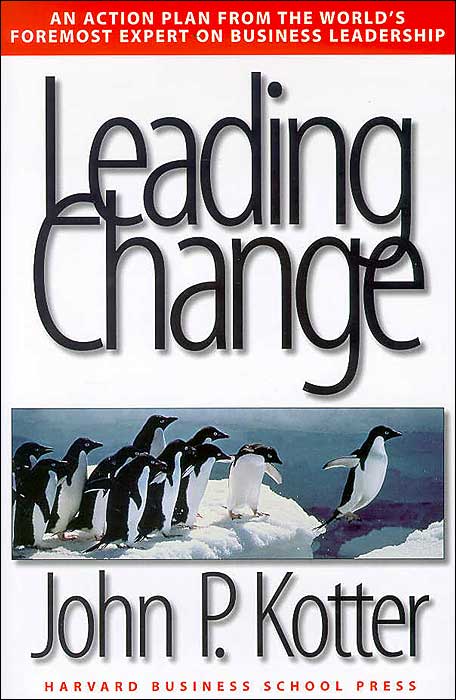
Harvard professor John Kotter outlines 8 stages of effective change:
1. Establish a Sense of Urgency
- Examine market and competitive realities
- Identify and discuss crises, potential crises or major opportunities
2. Developing the Guiding Coalition
- Assemble a group with enough power to lead the change effort
- Encourage the group to work as a team
3. Developing a Vision & Strategy
- Create a vision to help direct the change effort
- Develop strategies for achieving that vision
4. Communicating the Change Vision
- Use every vehicle possible to communicate the new vision and strategies
- Teach new behaviors by the example of the Guiding Coalition
5. Empowering Broad-based Action
- Remove obstacles to change
- Change systems or structures that seriously undermine the vision
- Encourage the risk-taking and nontraditional ideas, activities, and actions
6. Generating Short-term Wins
- Plan for visible performance improvements
- Create those improvements
- Recognize and reward employees involved in the improvements
7. Don’t Let Up: Consolidating Gains & Produce More Change
- Use increased credibility to change systems, structures and policies that don’t fit the vision
- Hire, promote, and develop employees who can implement the vision
- Reinvigorate the process with new projects, themes, and change agents
8. Make Change Stick: Anchoring New Approaches in the Culture
- Articulate the connections between the new behaviors and organizational success
- Develop the means to ensure leadership development and succession
These steps come from the business world, but church & ministry leaders would be wise to consider and apply these principles to our own situations.
Lutheran leader Steve Goodwin, in a 2005 interview, said:
“I see so many pastors making the mistakes John Kotter wrote about 20 years ago.”
In an article for Leadership Journal, titled Before You Introduce Change, Bruce Boria observes that most pastors make the mistake of beginning at stage 4.
Boria explains:
I’ve found [Kotter’s] process has substantial implications for guiding change in my church.
In Kotter’s opinion the first three steps are necessary to defrost a hardened status quo. Steps four to seven introduce a number of new practices. And the last step grounds the changes into the organization’s culture.
As pastor of Walnut Hill Church I have intentionally embraced a slow approach to change. This church was not ailing when I came in, so I wanted to affirm the positives that already existed and pre-dated my arrival.
At the same time, because nothing remains the same, and because there are issues that require strategic attention, change is a necessity. With Kotter’s principles in mind, the questions I am asking are these:
- How do we cultivate a sense of need and urgency in a congregation widely satisfied with the way things have, for the most part, always been?
- How do we create a hunger for a better future?
Until we get a handle on these questions no pithy mission or vision statements will produce positive lasting changes. Instead, I suspect, we will find ourselves reminded of the poetic words of the Bard of Ayrshire: “The best laid plans of mice and men often go astray.”
 GRACE & PEACE