Insights Into Ecclesiastes

As I read through and study Solomon’s Book of Ecclesiastes, for personal enlightenment rather than for preparation to teach, I appreciate the insights offered by Douglas Wilson, through his book Joy At the End of the Tether: The Inscrutable Wisdom of Ecclesiastes.

First, I appreciate the “scaffolding” Wilson identifies – the two great refrains that run throughout the book. Wilson notes:

Throughout the book, two great refrains can be heard. When we come to understand the meaning of these refrains, we will then know that the meaning of life cannot be found by fumbling in the dark. Instead of viewing the book as a series of disjointed and sometimes contradictory statements, we must first listen for those themes which integrate all the teaching of the entire book.

In other words, for us to understand the message of Ecclesiastes, we must recognize both of these refrains, understand what each means, and recognize how these two refrains relate to one another. What are these two themes?

  • “Under the Sun”
  • “The Great Gift of God”.

As one who benefits from outlines when I read and study, I also appreciate the simple outline Wilson sketches. Wilson writes:

Ecclesiastes has four basic sections, or divisions. In the first, Ecclesiastes 1.2 – 2.26, we see that Solomon’s experience shows that satisfaction cannot come from anything within the power or competence of man. In chapters 3.1-5.20, he shows that God is sovereign over everything. He then goes on to answer objections to this (perennially offensive) doctrine. Third, Ecclesiastes 6.1-8.15 carefully applies this doctrine that the sovereign God alone gives the power to enjoy this parade of vanity. Without an understanding of the Almighty, and without seeing his attributes, nature, and character, the world is nothing but an ongoing vexation of spirit. And finally, Ecclesiastes 8.16-12.14 removes various obstacles and discouragements, and addresses numerous practical concerns.

So, this outline of Ecclesiastes, as I paraphrase it:

  • Ecclesiastes 1.2 – 2.26: Reasons for Dissatisfactions and Frustrations in Life
  • Ecclesiastes 3.1 – 5.20: The Reality of the Sovereignty of God
  • Ecclesiastes 6.1 – 8.15: Why God’s Sovereignty is the Key to Our Satisfaction & Joy
  • Ecclesiastes 8.16 – 12.14: Practical Practices for Living a Life of Satisfaction & Joy

Just a few notes of things helping me to appreciate the wisdom of Solomon.

Finding My Place in the Story

The Bible comes to us in various forms of literature: history, poetry, and letters, just to name a few. But essentially, the Bible tells one epic story from beginning to end, using all the various genres.

Eugene Peterson, writing the introduction to Matthew in The Message, said:

“Every day we wake up in the middle of something that is already going on, that has been going on for a long time, genealogy and geology, history and culture, the cosmos – God. We are neither accidental nor incidental to the story. From it we get orientation, briefing, background, reassurance. Lacking such a context, we are in danger of seeing Jesus as a mere diversion from the concerns announced in the newspapers. Nothing could be further from the truth.”

The challenge is to find myself and my place in God’s great story of Redemption and Restoration.

Pascal on the Book of Ecclesiastes

Famed philosopher Blaise Pascal noted:

“Ecclesiastes shows that man without God is in total ignorance and inevitable misery.”

Elaborating on the message of Ecclesiastes, Pascal summarazied it in these words:

“We do not rest satisfied with the present. We anticipate the future as too slow in coming, as if in order to hasten its course; or we recall the past, to stop its too rapid flight. So imprudent are we that we wander in the times which are not ours and do not think of the only one which belongs to us; and so idle are we that we dream of those times which are no more and thoughtlessly overlook that which alone exists.

For the present is generally painful to us. We conceal it from our sight, because it troubles us; and, if it be delightful to us, we regret to see it pass away. We try to sustain it by the future and think of arranging matters which are not in our power, for a time which we have no certainty of reaching.

Let each one examine his thoughts, and he will find them all occupied with the past and the future. We scarcely ever think of the present; and if we think of it, it is only to take light from it to arrange the future. The present is never our end. The past and the present are our means; the future alone is our end.

So we never live, but we hope to live; and, as we are always preparing to be happy, it is inevitable we should never be so.”

Jonah Resources

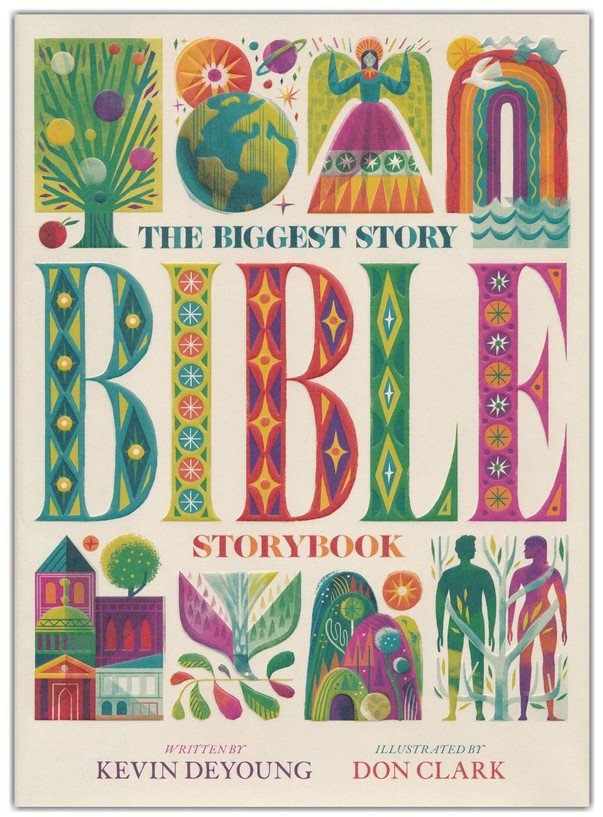
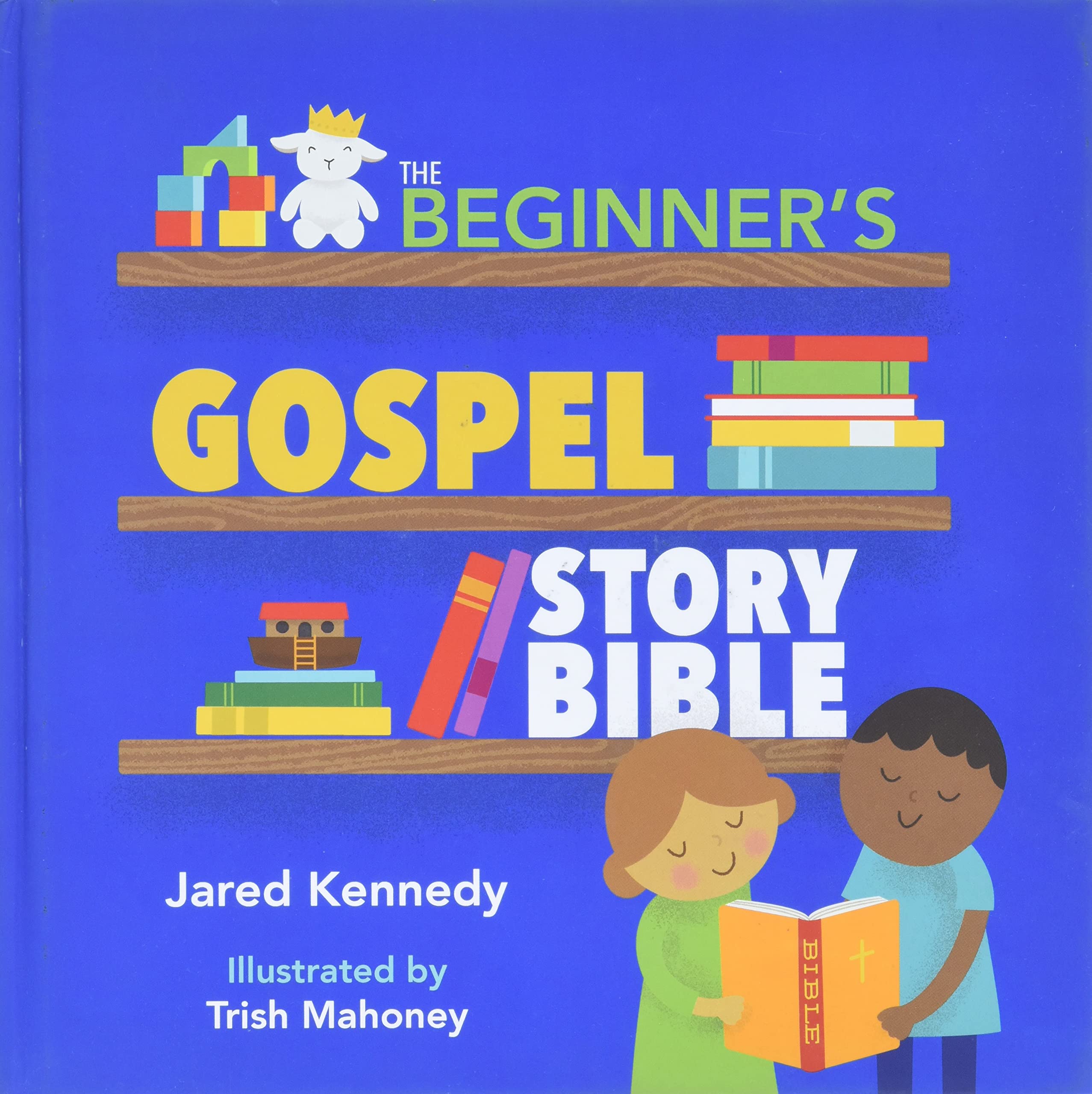
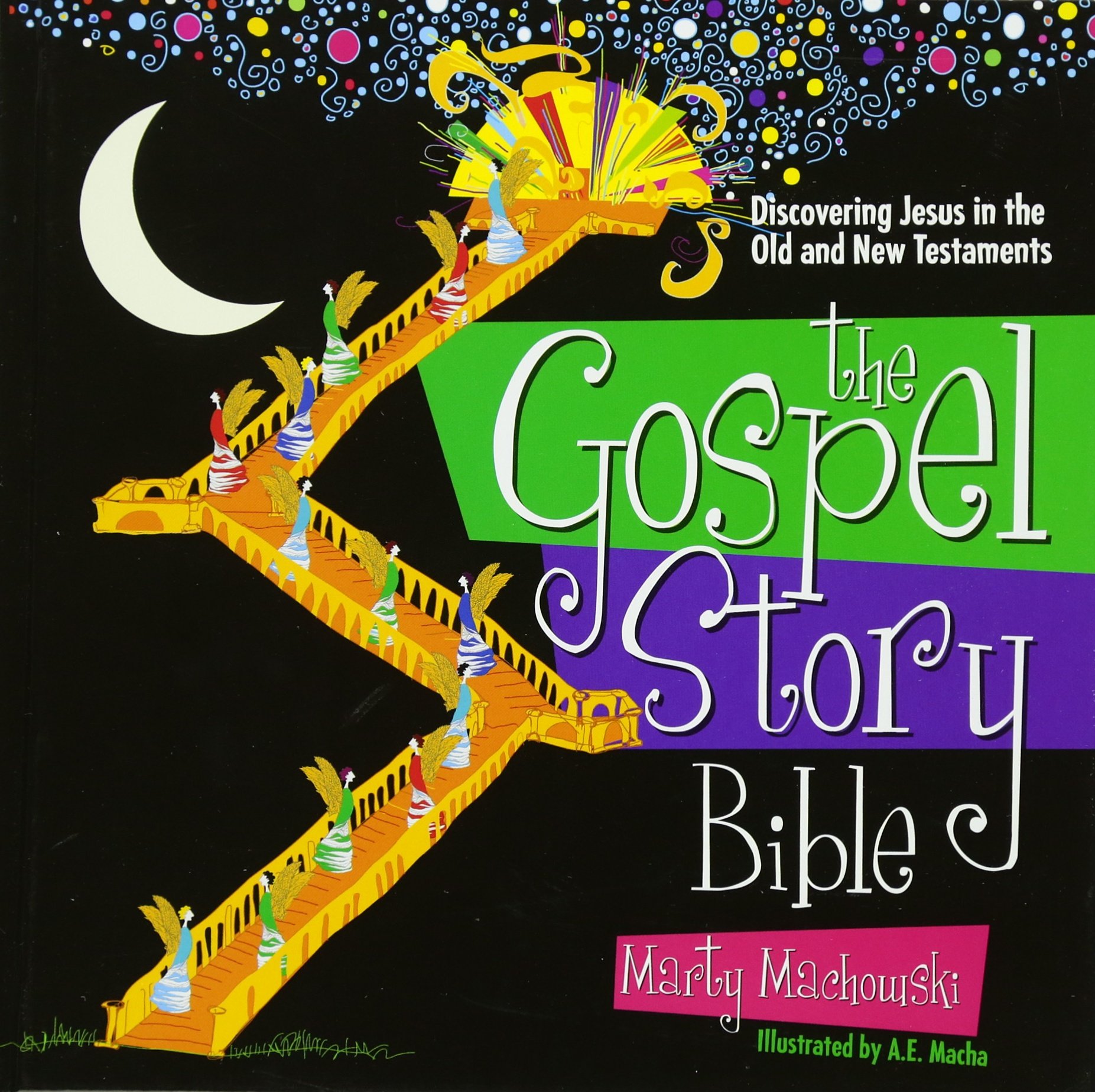
Preparing for an upcoming sermon series in the Book of Jonah, I have been enjoying a variety of resources, some of which are pictured above.

How the Early Church Leaders Died

The Early Church Father, Tertullian, notably quipped:

The blood of the martyrs is the seed of the Church.”

The author of the Book of Hebrews urges us to consider such leaders, and their way of life, as encouragement to us to persevere in the faith in the face of our own particular difficulties, trials, and hardships. (Hebrews 12.1, Hebrews 13.7). So below is a snapshot of what some of the earliest church leaders endured that the gospel may continue to bear fruit:

1. Matthew – Matthew suffered martyrdom in Ethiopia, Killed by a sword wound.

2. Mark – Mark died in Alexandria, Egypt , after being dragged by Horses through the streets until he was dead.

3. Luke – Luke was hanged in Greece as a result of his tremendous Preaching to the lost.

4. John – John faced martyrdom several times. Among the most notable was when he was boiled in huge Basin of boiling oil during a wave of persecution In Rome. However, he was miraculously delivered From death. John was then sentenced to the mines on the prison Island of Patmos. He wrote his prophetic Book of Revelation on Patmos . John was later freed and returned to serve As Bishop of Edessa in modern Turkey . He died as an old man, the only apostle to die peacefully

5. Peter – Peter was crucified upside down on an x shaped cross. According to church tradition it was because he told his tormentors that he felt unworthy to die In the same way that Jesus Christ had died.

6. James – James, the biological half-brother of Jesus, and leader of the church in Jerusalem, was thrown over a hundred feet down from the southeast pinnacle of the Temple when he refused to deny his faith in Christ. When they discovered that he survived the fall, his enemies beat James to death with a fuller’s club. (This was the same pinnacle where Satan had taken Jesus during the Temptation.)

7. James, the Son of Zebedee – James was a fisherman by trade when Jesus Called him to a lifetime of ministry. As a strong leader of the church, James was beheaded at Jerusalem. The Roman officer who guarded James watched amazed as James defended his faith at his trial. Later, the officer Walked beside James to the place of execution. Overcome by conviction, he declared his new faith to the judge and Knelt beside James to accept beheading as a Christian.

8. Bartholomew (also known as Nathaniel) – Bartholomew/Nathaniel was a missionary to Asia. He witnessed for our Lord in the present day area of Turkey. Bartholomew was martyred for his preaching in Armenia where he was flayed to death by a whip.

9. Andrew – Andrew was crucified on an x-shaped cross in Patras, Greece. After being whipped severely by seven soldiers they tied his body to the cross with cords to prolong his agony. His followers reported that, when he was led toward the cross, Andrew saluted it in these words, “I have long desired and expected this happy hour. The cross has been consecrated by the body of Christ hanging on it”. He continued to preach to his tormentors For two days until he expired.

10. Thomas – Thomas was stabbed with a spear in India during one of his missionary trips to establish the church in the Subcontinent.

11. Jude – Jude, a biological half-brother of Jesus, was killed with arrows when he refused to deny his faith in Christ.

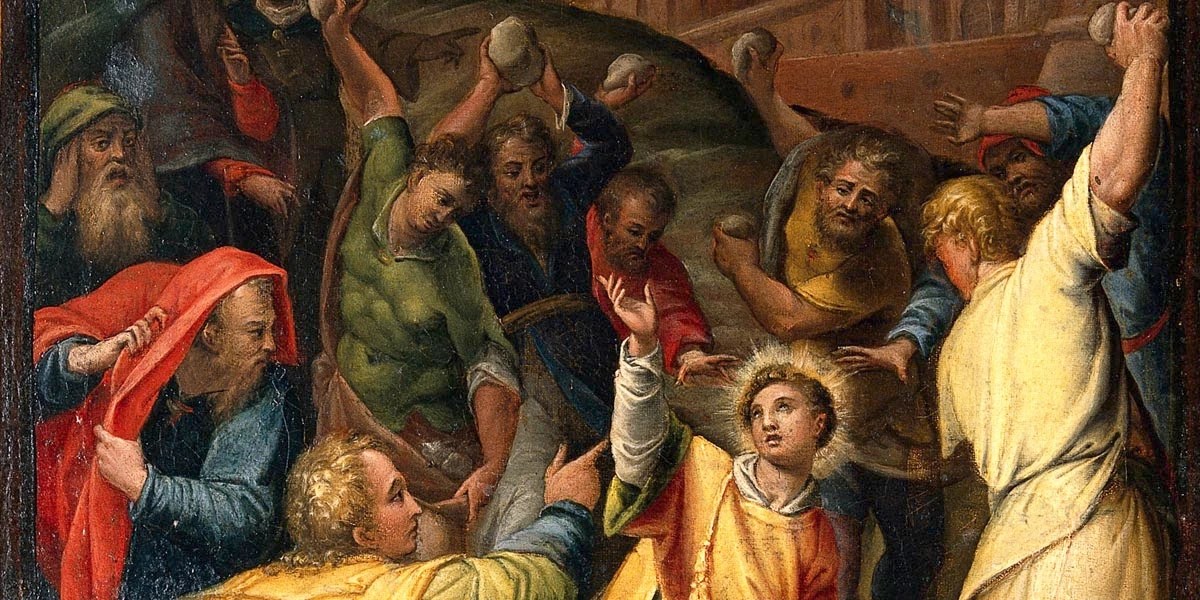
12. Matthias – Matthias, the apostle chosen to replace the traitor Judas Iscariot, was stoned and then beheaded.

13. Paul – Paul was tortured and then beheaded by the evil Emperor Nero at Rome in A.D. 67. Before his death, Paul had endured a lengthy imprisonment, which allowed him to write his many epistles to the churches formed throughout the Roman Empire. These letters, essential to the foundational Doctrines of Christianity, form a large portion of the New Testament.

Outline of Biblical History

I have learned that I am one who learns best from outlines. Perhaps not in all subjects, but I think certainly when it comes to learning history. I can often recall many of the stories, but I am sometimes slow to remember how things played out and how things connect. Outlines helps to remind me of the the bigger picture, the broader narrative, which is vital to understanding.

The outline below is one I have found helpful for remembering the narrative of Biblical history. It comes from the book, According to Plan: The Unfolding Revelation of God in the Bible, by Australian Anglican scholar Graeme Goldsworthy.

(See chart in .pdf)

Prayer of Re-Orientation

Dallas Willard on the importance and centrality of the first petition of the Lord’s Prayer, “Hallowed be Your Name”:

“This request is based upon the deepest need of the human world. Human life is not about human life. Nothing will go right in it until the goodness and greatness of its Creator and Sustainer is adequately grasped. His very name is then to be held in the highest regard. Until that is so, the human compass will always be pointing in the wrong direction … and individual lives, as well as history as a whole, will suffer from constant and fluctuating disorientation.”

The Divine Conspiracy

Hebrews 9-10 Recited

While studying the Book of Hebrews this week, in preparation Sunday’s message, I stumbled upon this recitation of Hebrews 9 & 10 by a guy named Ryan Ferguson. I was impressed as I listened to him present these chapters through oral interpretation. Ferguson’s performance of these verses offers a perspective that both resonates with my reading of the passage and yet is also distinct at the same time.. Powerful!

Galatians For You & Other Resources

In the present sermon series in our church I am working through Paul’s letter to the Galatians.  Rather I should say “we” are working through the book of Galatians, as while I am preaching the bulk of the messages I am sharing the teaching with my Associate, Camper Mundy, and a couple of other pastors who are part of our church.  But in my preparations for each message there are a few non-technical resources I am uising that would also be beneficial for anyone who is studying Galatians – whether a seminary graduate or a typical church member wanting simply to deepen his/her understanding of this letter.

One of these resources is Tim Keller’s Galatians For You.  In the video above Tim introduces his intent in developing this book, and offers some suggestions of how it might be used beneficailly.  And though perhaps to those hearing my message may assume seeming little of Keller’s words may be overtly expressed my messages, without question the depth of Keller’s insights has helped shaped my understanding of this book and how the message applies to us today.

Below is a short list of some of the non-technical resources I am reading (or re-reading) during this series, Freedom: A Study of Galatians.

No Other Gospel

After learning I would be beginning a new sermon series this week, a study of the book of Galatians, a friend and colleague who is an Army Chaplain asked me if I had read the relatively new book, No Other Gospel.  Though I had seen it, I admitted I was not really familiar with it.  He suggested it would be a good parallel book to coincide with the series of messages we will be offering at Grace Covenant between now and Easter.

I picked it up, skimmed it this afternoon, and expect to commend it to our congregation – at least to No Otherthose who want to do a little digging of their own over the next few months.  (I’ll read it more thoroughly as well.)

In the video above Justin Taylor interviews the author of the book, Josh Moody, who serves the historic College Church of Wheaton.  Moody explains the basis and the gist of the book.

About Bible “Admissions”

HAPPY Strawman

When first reading an article featured in Relevant Magazine by John Pavlovitz, 5 Things I Wish Christians Would Admit About the Bible, I found myself feeling a mixture of mild reactions: chagrined by the banality, and indifferent because of the banality.  While the magazine does occasionally publish some thoughtful pieces, the majority seem to be either old fashioned theological liberalism dressed up in contemporary Millennial angst, or shallow pragmatism desperately wanting to be considered poignant and profound.  This particular article managed to qualify for both categories, as Pavlovitz offered his handful of wishes that people would understand:

  1. The Bible Isn’t a Magic Book
  2. The Bible Isn’t as Clear as We’d Like It to Be
  3. The Bible Was Inspired by God, Not Dictated by God
  4. We All Pick and Choose the Bible We Believe, Preach and Defend
  5. God is Bigger Than the Bible

Really going out on a limb there, with such staggering assertions. (Note sarcasm.)

It was not until I read a post by Blake Deal, What We Will Not “Admit” About the Bible, that I even gave it a second thought.  What had seemed unworthy to receive much consideration had now been given a thoughtful, appropriate corrective.   After reading Deal’s rebuttal, I started thinking to myself: “I wish I’d written that”.

Whether one takes the time to read Pavlovitz’s piece or not, I think Deal’s observations are worth the few minutes it  takes to read them, both for their succinct affirmations of the historic faith, and as an example of a good way to address other straw man allegations levied against historic Christian orthodoxy in the name of becoming relevant to this present generation.

We 3 Kings

We 3 Kings

You probably know the song, We Three Kings of Orient Are:

We three kings of orient are,
Bearing gifts we traverse afar
Field and fountain,
Moor and mountain,
Following yonder star.

The song is based upon the account of the Magi, in Matthew 2.  And though it may be a little less than an accurate account, it is still among my favorites during the Christmas season.

What is inaccurate? For one thing, there is no reason to assume there were only three Magi.  The three is largely assumed because of the mention of three gifts: gold, frankincense, and myrrh. There very well could have been, and very likely were, far more guys in the caravan than those lonely determined three.  That is just one example.  There are at least a few other somewhat trivial issues. But otherwise, while the song may be a little fanciful, there is nothing seriously erroneous about it.

But more important than a few questionable lyrics is a greater question: “What are some things we can learn from the three Magi mentioned in the song?” To answer this question we can benefit from a helpful little piece Martin Downes wrote a few years ago for Against Heresies: We Three Kings.

Check it out, and give it some thought. And remember, this is not a story limited to Christmas. After all, the Wise Men themselves did not actually arrive to their destination until some time after that first Christmas Day. So this is a story worth pondering well into the New Year.

5 Questions to Read the Bible With Heart & Mind

Clock Lit

Tremper Longman summarizes the entire thrust of his book, Reading the Bible With Heart & Mind, in five simple questions:

1. What does this passage of the Bible teach me about God and my relationship with Him?

2. What does this passage tell me about how God has acted in the past?

3. How does this passage change the way I think about the world and how does it impact the way I live my life?

4. How has God chosen to communicate these truths to me through the Scriptures?

5. How does this passage present Christ?

Great questions to help us get the most of our Bible study.

Seed of the Word in the Soil of the Heart

Sprout in Hand

“Truly, the Bible as the Word of God has an inherent power, but it is not a coercive power. That is, the Bible does not work it’s effects mechanically. We don’t change just because we read it. Out minds may be engaged in the text, but something must happen in our hearts as well. In the parable of the Sower (Matthew 13.18-23), the seed does not miraculously and independently transform itself into a flowering plant. The condition of the soil effects how well the seed takes root. Our hearts must be receptive to God’s Word in the same way the soil must be rich and conducive to the development of deep roots and luxurient growth. As Oliver Wendell Holmes once said: ‘What you bring away from the Bible depends to some extent on what you carry to it.'”

Tremper Longman, from Reading the Bible With Heart & Mind