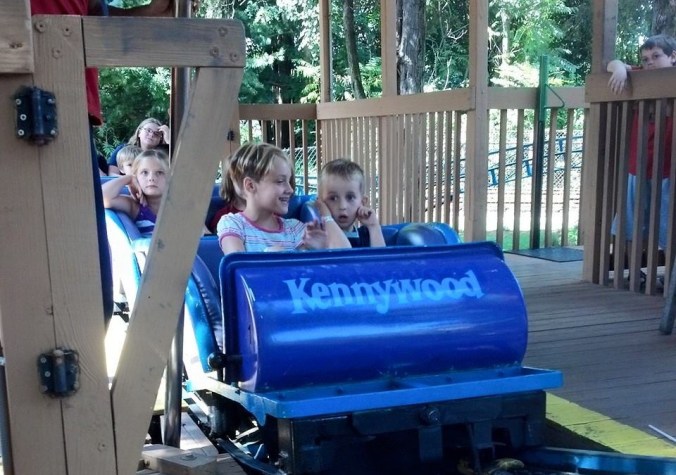
My friend, Jay Mitlo, has written An Open Letter to Kennywood, to thank the workers at a Pittsburgh area amusement park for the simple kindnesses that meant much more than most realize. The post was so well received, and so re-posted, that it effectively broke Facebook – Facebook flagged it, shut it down, until they were able to confirm it was not a virus laden spam.
In his post, Jay writes:
I write this letter to you on the eve or your opening for the season so that you may share it with your wonderful staff. Working at an amusement park cannot be an easy job. The hours are long and the people not always so nice. However, in the midst of the line cutters and helicopter moms who insist that their child is in fact tall enough to ride a given ride, a warrior angel may be in their midst. Each one of your staff had a hand in giving a kid with terminal cancer (and his family) a day of rest, a day of joy, a day of memories (which are all we have of him now) that will last many a lifetime.
What you need to know, if you do not know Jay (which most of you do not), is that Jay was writing only months after the passing of his young son, who had suffered for four years with a neuroblastoma cancer.
Jay concludes:
So when your staff is down, tired, and bitter, when they measure their desire to work on their paycheck alone, please remind them that another warrior angel may be the next one in line.
Take a moment to read Jay’s letter. You might want to get some tissues. And then pass it on to someone who may need some encouragement. I share it because it deserves to be read. I share it because it is a reminder that how we do our jobs, and live our lives, makes a difference whether we are aware or not. I share it because your work matters, whatever you do.
 GRACE & PEACE